01Identity
No ID, no password. A single one-time code identifies the person and authenticates them.

Technology partner: SSenStone
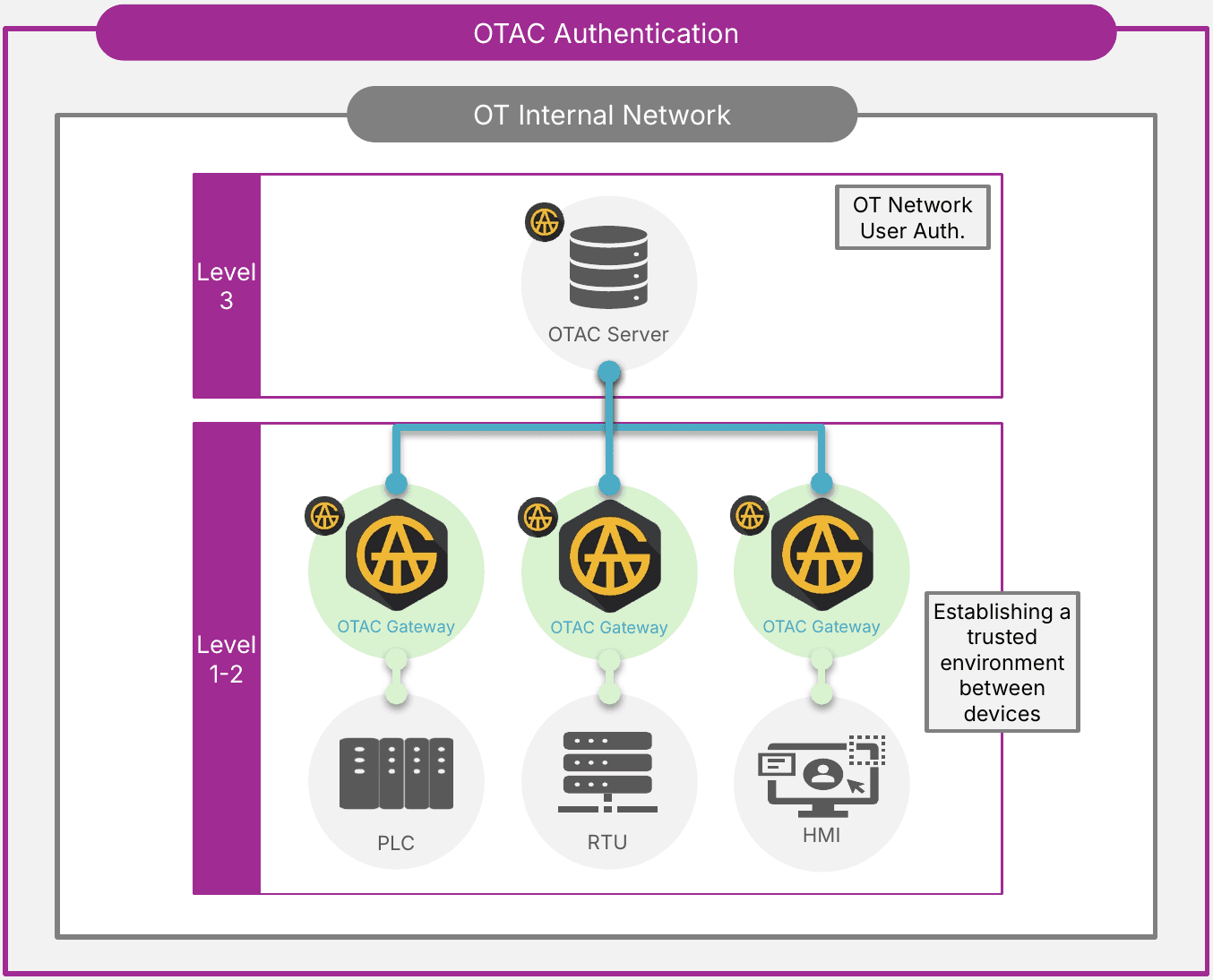
The OTAC Trusted Access Gateway (TAG) verifies the person before a session reaches a PLC, RTU or HMI, without replacing equipment or changing firmware. ASC Solutions assesses, deploys and supports it with SSenStone.
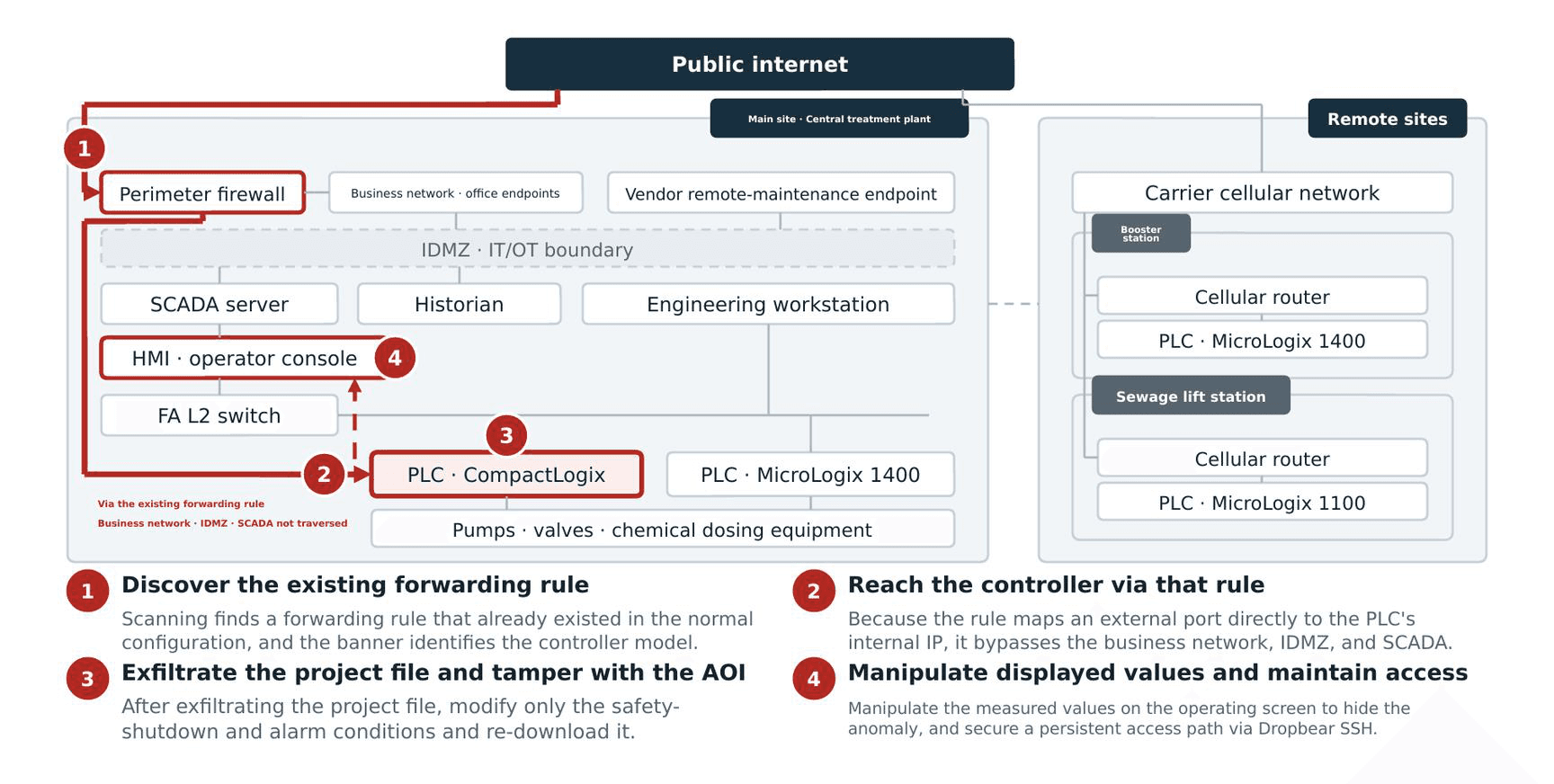
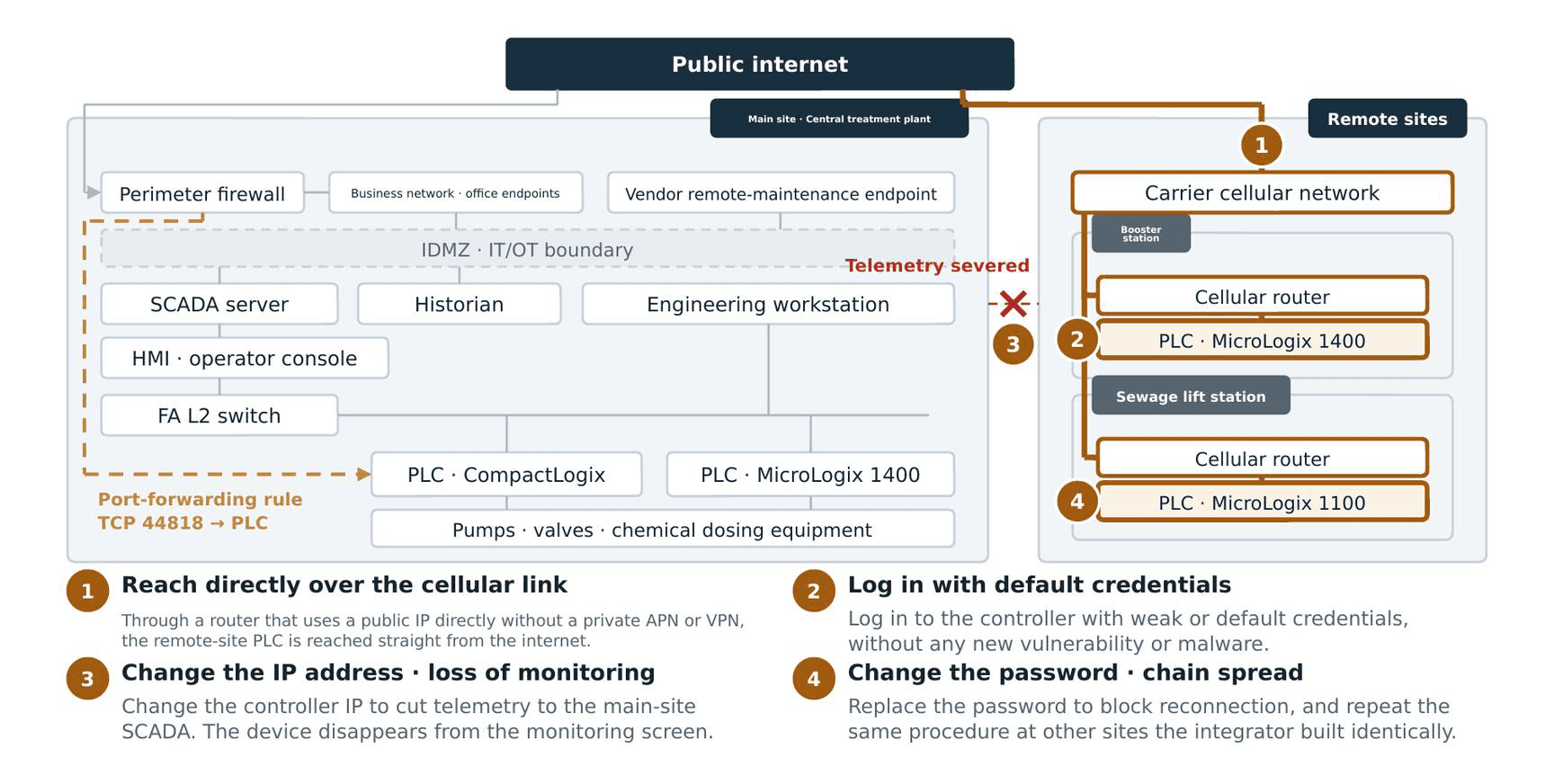
In July 2026, attackers reached internet-exposed PLCs at water and wastewater utilities in at least 12 U.S. states. They used default or stolen credentials and the vendors' own engineering tools, so the activity looked like normal work. Whether the route was an existing firewall forwarding rule or a direct cellular link, the controller accepted whoever reached it.
The joint federal advisory's key action was to remove PLCs from direct internet exposure behind a secure gateway. CISA zero trust guidance likewise calls for authenticating users at a gateway and applying MFA above legacy devices.
Based on SSenStone analysis of public reporting and advisories, July to August 2026.
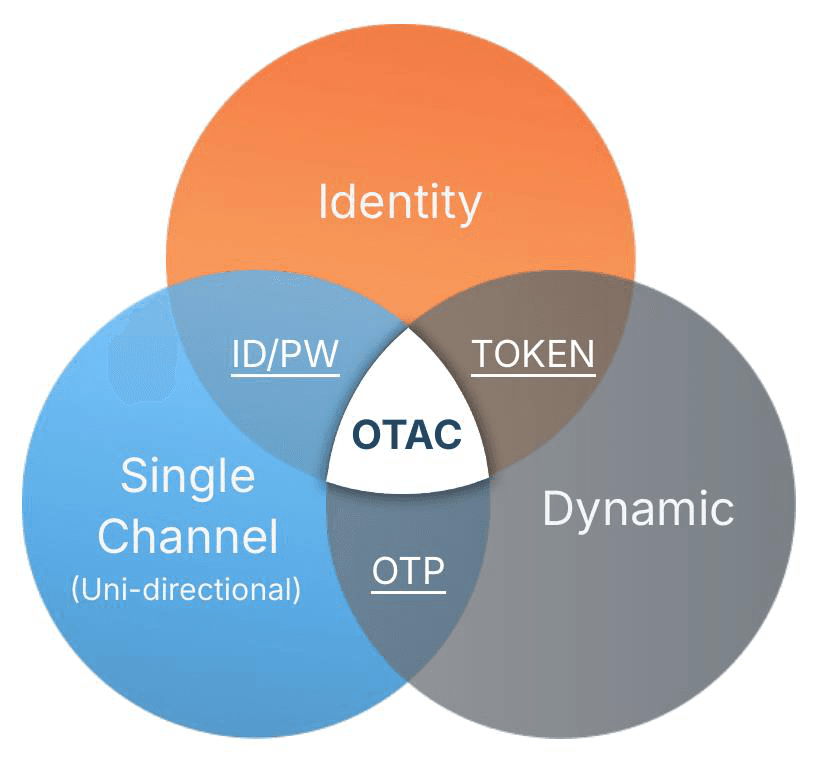
One-Time Authentication Code: a hardware-bound key that produces a short-lived, one-way token. The code only exists after a second factor, either possession plus biometric or possession plus knowledge.
No ID, no password. A single one-time code identifies the person and authenticates them.
The code is generated on the person's own device, with no exchange with a server, so it works in isolated networks.
Never the same twice. Each code works once, so a stolen code is worthless.
An engineer or contractor starts the PLC engineering software.
The OTAC Agent asks for a one-time code before anything else.
On a smartphone (fingerprint or PIN) or a smart card (PIN).
The gateway verifies the code and opens that PLC. Failed attempts are blocked and logged.
Afterwards, an administrator reviews the audit log: who, when, and which PLC.
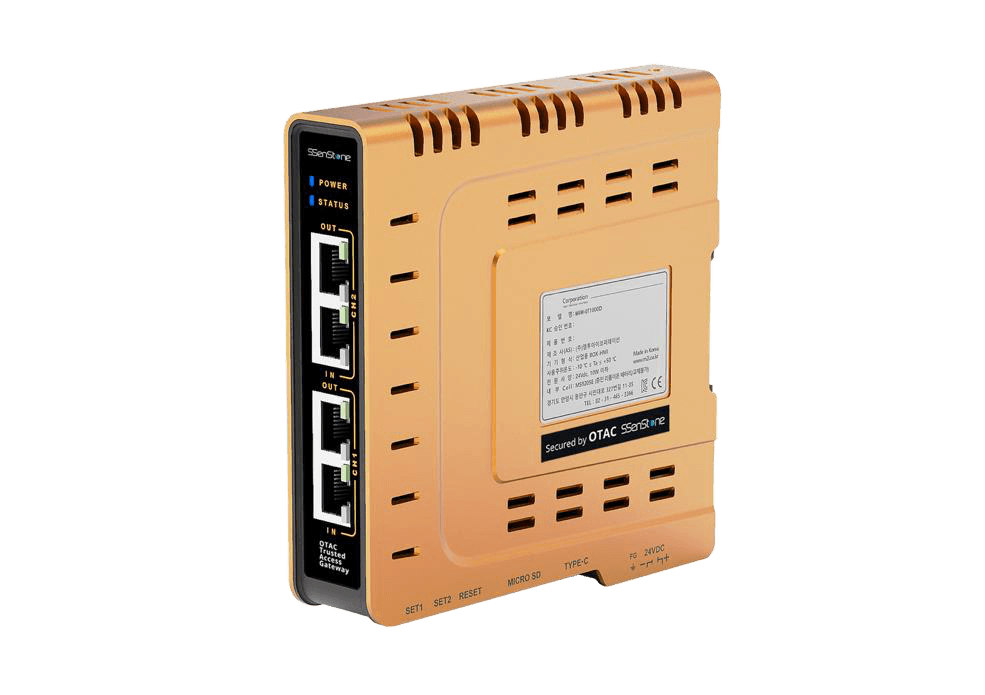
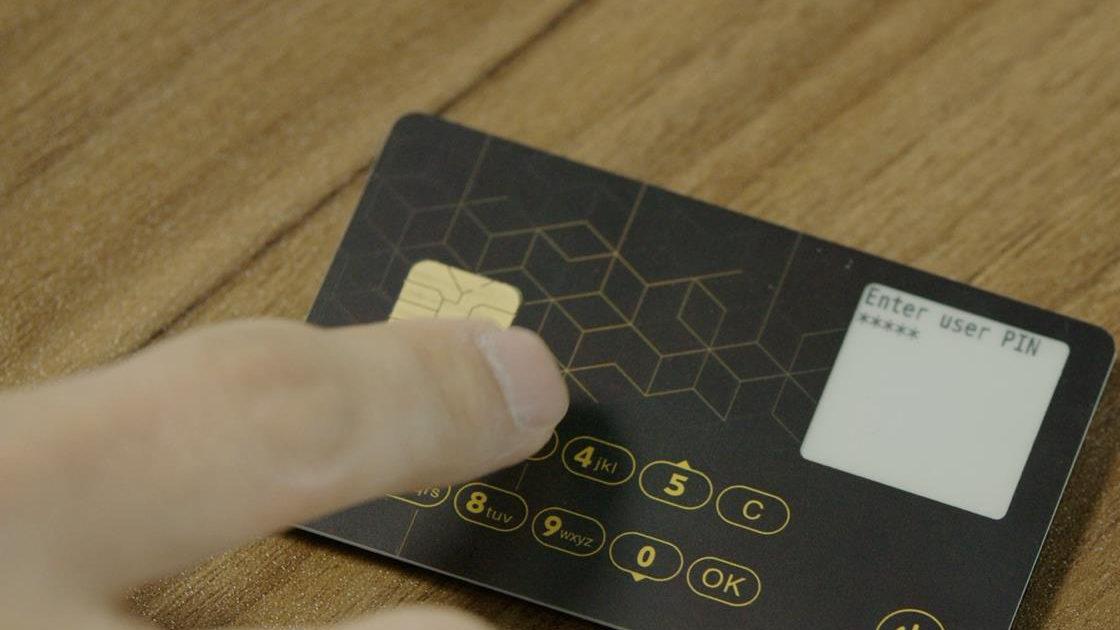
SSenStone's view: each familiar method stops at one of three walls in OT, which is why controllers still run on shared passwords.
| The wall | ID / password | OTP | FIDO, PKI, tokens | OTAC |
|---|---|---|---|---|
Mixed vendors, hundreds of devices, a small staff Works without per-device accounts and password rotation? | No: rotation at this scale is not feasible | No: still needs an ID and password in front | No: certificates to issue, renew and revoke per device | Yes: no ID entry at all |
Legacy equipment that cannot be changed Works without the device maker building it in? | Yes: already in the PLC (password only) | No: vendor must build validation into the PLC | No: needs an authentication module on the device | Yes: the gateway sits in-line, in front |
Isolated, one-way networks Works without a prior two-way exchange with a server? | Yes: works one way | Yes: works one way | No: needs challenge and response | Yes: generated on the user device, sent one way |
SSenStone is a K-water partner. K-water operates 123 water treatment plants and dams and is rolling TAG out across them. One site is in operation today with 100+ endpoints protected and no controller replaced. Two more sites are due by the end of 2026 and four more are scheduled for 2027, with the plan to cover all 123. The deployment mixes 1:1 gateways at staffed booster stations with 1:N gateways where no one physically enters.
TAG-based proof of concept and penetration testing completed at the Singapore Center of Excellence.
Endpoint OTAC (Embedded Model) proof of concept completed for automation and control environments.
Endpoint OTAC proof of concept completed to validate IEC 62443 readiness for the EcoStruxure platform.
Endpoint OTAC proof of concept completed to embed it into Moxa's product portfolio.
Vendor engagements are proofs of concept. Names are used to describe testing and do not imply endorsement.
Most assessments end with a report. Ours ends with the path closed: about 10 weeks from assessment to close out, including rural and remote cellular-connected lift stations and wells.
2 to 3 weeks
ASC
Inventory, access-path map, prioritized findings and readouts.
1 to 2 weeks
ASC + SSenStone
Choose priority endpoints, bench-test, and agree rollback in writing.
On request
SSenStone with ASC
On-site installation as soon as the utility asks. No PLC replacement.
2 to 4 weeks
SSenStone + ASC
See which endpoints are reached and what traffic flows, then retest.
1 week
ASC + SSenStone
Final readout, then removal and data deletion, or the utility's choice.
If you answer no to even one, an attack path is open.
Talk to ASC Solutions about assessing your OT access paths and putting TAG in front of your priority endpoints.